
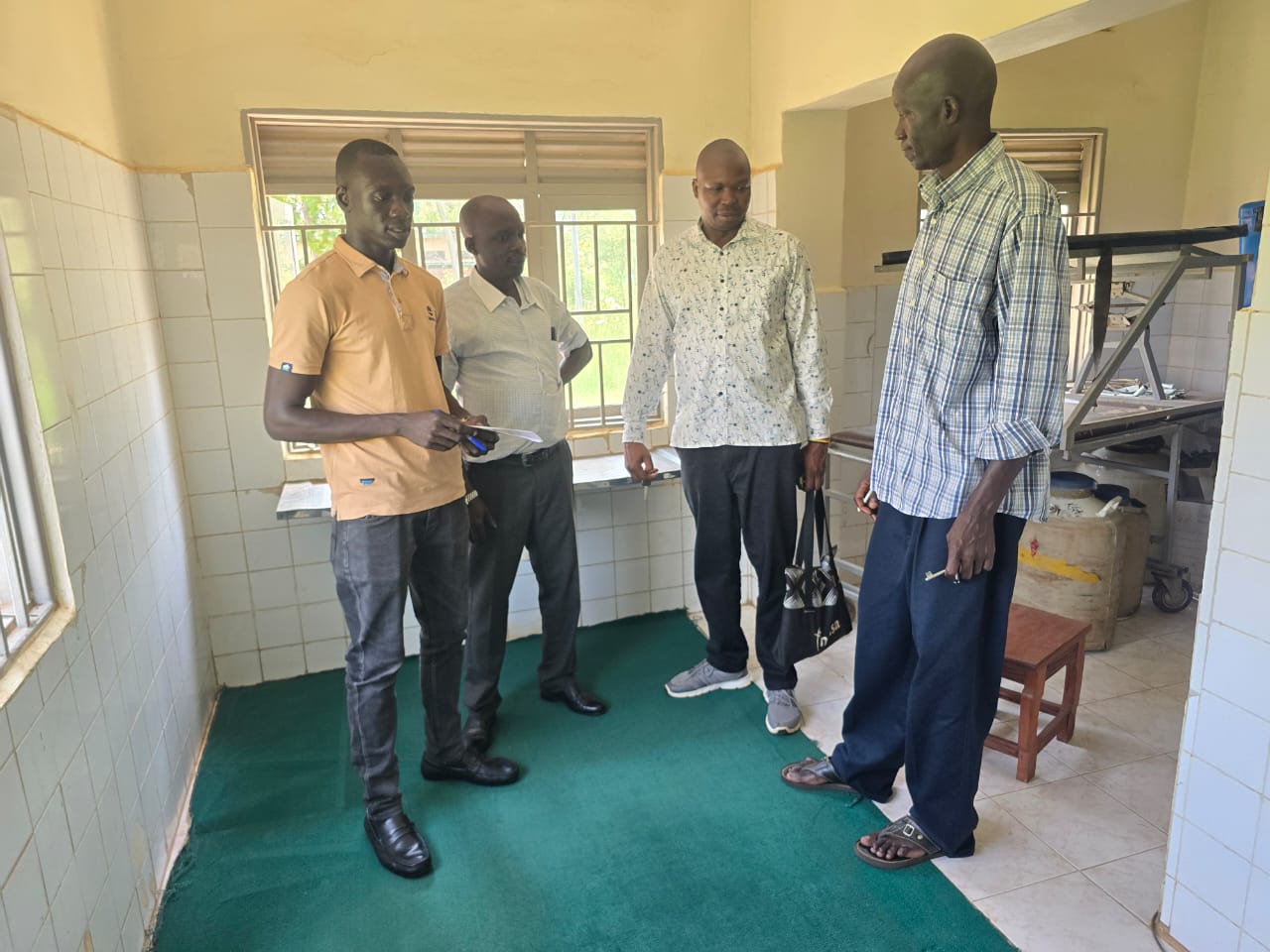
Adjumani District is set to receive veterinary laboratory equipment worth millions of shillings under the Monitoring of Ticks and Tick Acaricide Resistance (MoTAR) Project, a move expected to strengthen livestock disease diagnosis and improve animal health services in the district.
The intervention will see the Adjumani District Veterinary Laboratory equipped with modern diagnostic tools, while laboratory technicians receive specialised training to improve surveillance, diagnosis and management of tick-borne diseases and acaricide resistance.
The existing Adjumani District Veterinary Laboratory has undergone refurbishment after meeting the required technical standards and specifications. The facility is now in its final stages of completion and is expected to be officially unveiled in August 2026.
Dr Patrick Vudriko, the Principal Investigator of the MoTAR Project, who is also a lecturer and manager of the RTC Laboratory at Makerere University College of Veterinary Medicine, Animal Resources and Biosecurity (CoVAB), said the inclusion of West Nile and Lango regions followed guidance from the Ministry of Agriculture, Animal Industry and Fisheries (MAAIF) to expand Uganda's veterinary laboratory network.
"The inclusion of West Nile and Lango under the MoTAR Project is intended to strengthen laboratory services in regions that previously had limited diagnostic capacity. We are committed to equipping laboratories, training personnel and strengthening surveillance for tick-borne diseases and acaricide resistance," Dr Vudriko said.
He said the equipment and training of laboratory technicians at the Adjumani facility are expected to cost not less than US$15,000, equivalent to about Shs54.7 million, depending on the prevailing exchange rate.
The MoTAR Project is a national initiative spearheaded by Makerere University's College of Veterinary Medicine, Animal Resources and Biosecurity in partnership with the Global Alliance for Livestock Veterinary Medicines (GALVmed), which is the project's principal funder.
The project aims to strengthen Uganda's capacity to monitor ticks and acaricide resistance by refurbishing veterinary laboratories, equipping them with modern diagnostic tools, training laboratory personnel and establishing a national database to guide livestock disease control policies.
Uganda has in recent years faced increasing resistance of cattle ticks to commonly used acaricides, including Amitraz and synthetic pyrethroids. The development has reduced the effectiveness of tick control measures and exposed livestock farmers to significant production losses.
Adjumani District Veterinary Officer, Dr David Okello Ngomokwee, said the district has operated for nearly 25 years without adequate veterinary laboratory equipment.
"For the last 25 years, Adjumani has lacked functional veterinary laboratory equipment. This intervention will greatly strengthen our ability to diagnose tick-borne diseases promptly and provide evidence-based treatment recommendations that will improve animal health across the district," Dr Ngomokwee said.
According to the 2021 livestock census, Adjumani District has more than 300,000 cattle and over 600,000 goats, underscoring the importance of improved veterinary diagnostic services.
Local livestock farmer Jennifer Aparo welcomed the development, saying it would boost farmers' confidence to invest in improved livestock breeds.
"I have always hesitated to import improved breeds because they are more susceptible to diseases. With a well-equipped veterinary laboratory in Adjumani, I now have confidence that diseases can be diagnosed early and managed effectively," she said.
Adjumani District Local Council V Chairperson John Anyanzo Ambayo described the project as a major milestone in transforming livestock production in the district.
"This intervention will encourage our farmers to embrace commercial livestock farming instead of traditional methods. Keeping improved breeds will increase household incomes and support the government's National Development Plan IV agenda of moving more Ugandans into the money economy," Ambayo said.
District leaders say the upgraded veterinary laboratory will improve disease surveillance, strengthen livestock extension services and provide timely diagnosis, ultimately boosting livestock productivity and farmers' incomes across Adjumani.
